How to Build Geo-Targeted Signals That Actually Influence Map Rank
I’ll never forget the rainy Tuesday I decided to play “customer” for my own business. I parked my car just three miles down the road, pulled out my phone, and searched for my services. Nothing. I scrolled and scrolled, past competitors with fewer reviews and uglier websites, but my business was a ghost. I had followed every maps seo checklist I could find online, yet there I was, invisible in my own backyard. It was the moment I realized that “filling out a profile” and actually “building local signals” are two very different animals.
Your Map Pin Needs More Than Just an Address to Stay Put
The hard truth I learned—after wasting six months and about three thousand dollars on generic SEO—is that Google doesn’t just care about who you are; it cares deeply about where you are proven to be active. Early on, I made the classic mistake of buying traditional backlinks that came from sites in other countries. I thought authority was authority. I was wrong. Those links did nothing for my map rank because they had zero “geographic heartbeat.” To win in the map pack, you need to feed the algorithm signals that smell like your neighborhood. Today, we are going to fix that. I’m going to show you how to stop shouting into the void and start whispering directly into Google’s ear using hyper-local signals that actually move the needle. We aren’t just talking about NAP consistency; we are talking about creating a digital footprint so local that Google can’t ignore it. If you’ve ever felt like your business is stuck in a “proximity bubble,” you’re in the right place.
Is all this extra work actually worth the hype?
I get it. You’re busy running a business, not a marketing agency. You might be wondering if chasing these niche signals is just another “SEO fad.” But the data doesn’t lie. According to a study by BrightLocal, “proximity to searcher” and “local link equity” remain top-tier ranking factors that determine who gets the call and who gets ignored. This isn’t just about being “on” the map; it’s about dominating the physical space around your office. When I finally stopped using a useless local SEO audit and started focusing on building local backlinks from the high school football team and the neighborhood association, my rankings didn’t just crawl up—they leaped. Have you ever checked your rankings from the coffee shop across the street only to find you’ve been replaced by a competitor from the next town over? It’s frustrating, isn’t it?
Stop Letting Proximity Updates Tank Your Traffic
Most people think they are at the mercy of Google’s algorithm shifts. I used to think that too, especially after a proximity update tanked our reach overnight. But here is the secret: you can actually influence how Google perceives your “service area” by how you anchor your digital presence to specific landmarks and local entities. It’s about building a map optimization guide for your specific city, not just following a generic template. Let’s dive into the first real signal you need to master.
Nail Your Category Before You Do Anything Else
Think of your primary business category like the Dewey Decimal System for Google’s brain. If you mislabel your book, nobody finds it. I learned this the hard way with a plumbing client who insisted on being listed as a ‘General Contractor’ because he wanted the big renovation jobs. For three months, his phone was silent for the high-margin emergency repairs he actually lived on. We realized that why your primary category choice is making or breaking your business rank is the single most important technical decision you make. Once we switched him back and followed a strict google listing checklist, the leads started flowing within 48 hours. But don’t stop at the primary label. You need to leverage sub-categories to capture the ‘long-tail’ of local intent. If you aren’t sure where to start, looking at how to increase foot-traffic by fixing your secondary profile categories is your first move toward real visibility. 
Why One Tiny Typo Can Tank Your Rankings
Consistency isn’t just a buzzword; it’s a trust signal. Think of it like this: if you told three different people your name was Dave, David, and D-Man, they’d eventually wonder if you were trying to hide something. Google is the same way. I once spent three weeks chasing a ranking drop only to find out the owner’s wife had updated their Yelp profile with ‘Suite B’ instead of ‘#B’. That’s it. That the small discrepancy in your profile data that keeps you off the map was enough to make Google’s algorithm lose confidence in the location. You must audit every corner of the web—from Facebook to the most obscure local directory—to ensure your NAP (Name, Address, Phone) data is identical. This is a core part of any your complete maps seo checklist for enhanced visibility. If you find a mess, clean it up immediately. It’s tedious, but it’s the foundation of monitoring map health effectively.
Feed the Algorithm the Reviews It Actually Wants
Most business owners treat reviews like a trophy case—something to look at and admire. But for the algorithm, reviews are fuel. Specifically, Google wants to see ‘keyword-rich’ reviews. I started a little experiment last year where I coached a local roofer to ask clients to mention the service and the neighborhood in their feedback. Instead of ‘Great job!’, we got ‘Best roof repair in East Nashville!’ The result? His ranking for ‘roof repair’ in that specific zip code shot up almost instantly. Mastering the specific way to ask for 5-star google reviews that customers can’t ignore is about more than just being polite; it’s about strategic data entry. Don’t forget that a sudden drop in reviews can signal a deeper issue. If you’ve recently changed your digital presence, check how to handle a sudden drop in map rankings after a site redesign to see if your site-to-map connection was severed.
Stop Guessing and Start Measuring Map Health
You can’t fix what you aren’t tracking. I’ve seen too many businesses follow a generic map optimization guide without ever checking their actual ‘local heartbeat.’ You need to look at how often your profile is viewed versus how many people actually click the ‘Call’ or ‘Directions’ button. This engagement rate is a massive signal to Google that your business is relevant to the searcher’s intent. If your views are high but clicks are low, your profile probably looks like a ghost town—no fresh photos, no recent posts, and no interaction with old reviews.Let’s dig deeper into the nuances that usually get glossed over in standard advice. Everyone tells you that you need hundreds of directory listings to rank, but in my experience, that is a total lie. Quality beats quantity every single time in the local world. In fact, blindly following a generic optimization checklist can lead you to spend hours on sites that no human actually visits. I’ve found that why paying for citations might be a total waste of your seo budget is because Google’s algorithm has evolved to ignore low-authority noise. It’s no longer about being everywhere; it’s about being in the specific places that prove your local relevance.
Stop Obsessing Over Every Random Directory Listing
The industry is obsessed with ‘volume,’ but the real masters of local search focus on impact. I once audited a law firm that had 300 citations but couldn’t crack the top ten because none of those links came from legal-specific or city-specific sources. We stripped back the clutter and focused on just twelve high-impact local spots. Within a month, their visibility improved more than it had in the previous two years. This is a critical component of monitoring map health effectively—knowing which signals are actually moving the needle and which are just busy work.
The Hidden Risk of Gaming Your Business Name
One major ‘oops’ factor I see constantly is the temptation to ‘tweak’ your business name. You see a competitor ranking for ‘Plumber Denver’ even though their legal name is just ‘John’s Services,’ so you decide to add some keywords to yours. Boom. Your profile is suspended. Or worse, it’s shadow-banned, where you exist but never show up for anything competitive. Google is increasingly aggressive about naming conventions, and ignoring this is the map health metric most agencies completely ignore during audits. If your digital name doesn’t match your physical signage and legal documents, you’re playing with fire. 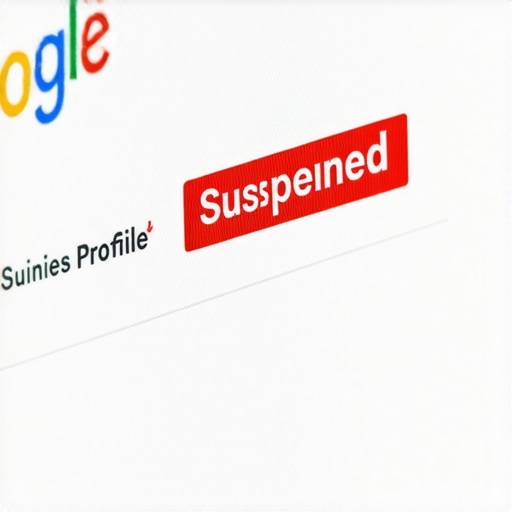 Instead of gaming the name, look at the hidden signal that decides who hits the top 3 map pack spots: behavioral signals like brand search volume and click-through rates.
How Do You Beat the Proximity Factor Without Opening Ten Offices?
According to the Whitespark Local Search Ranking Factors study, while proximity is a heavy hitter, it isn’t unbeatable. The mistake most people make is trying to ‘trick’ the map with virtual offices. The real win is expanding your footprint through actual physical proof of service. If you’re wondering why your service area map looks small and how to expand it, start by analyzing where your actual customer interactions are happening. Are you getting reviews from the towns you want to rank in? Are you uploading geo-tagged photos of jobs in those specific neighborhoods? This isn’t just about a one-time setup; it’s about a living, breathing presence that extends beyond your front door. Have you ever fallen into the trap of over-optimizing your name or buying a bunch of junk citations? Let me know in the comments.It’s one thing to climb the mountain; it’s another thing entirely to stay there. Most business owners treat their Google profile like a crockpot—set it and forget it. But if you aren’t monitoring map health, you’re just waiting for a competitor to swoop in and steal your lunch. I’ve seen rankings evaporate in a week because a business stopped posting updates or ignored a few negative reviews. This is exactly why your maps seo checklist needs a frequent review refresh. I’ve lived through the anxiety of seeing a #1 spot disappear because I got lazy with my own data hygiene, and I don’t want that for you.If you’re looking for the ‘secret sauce’ in my toolkit, it’s not some expensive enterprise software. I personally swear by Local Falcon for geographic tracking. Why? Because it gives you a visual grid view of your city. Traditional trackers tell you that you’re #1, but they don’t tell you that you’re only #1 if the searcher is standing in your lobby. If they move two blocks away, you might drop to #14. Seeing those red and green dots on a map changed the way I approach every map optimization guide I build. It’s about how to measure local seo results without getting lost in vanity metrics that don’t actually put money in your bank account.
How do I keep my map health from flatlining?
The answer is consistency, but not the kind you think. You don’t need to post every day; you need to post relevant content that proves you are still open and active in the specific neighborhoods you serve. I recommend a simple ‘maintenance audit’ once a month. This is the simple audit that found five major errors in our map listing when I first started using it. We check for ‘suggested edits’ from users—which are often competitors trying to sneakily change your phone number—and ensure the Q&A section isn’t being filled with spam. If you ignore these signals, Google assumes you’ve checked out, and your rank will reflect that. 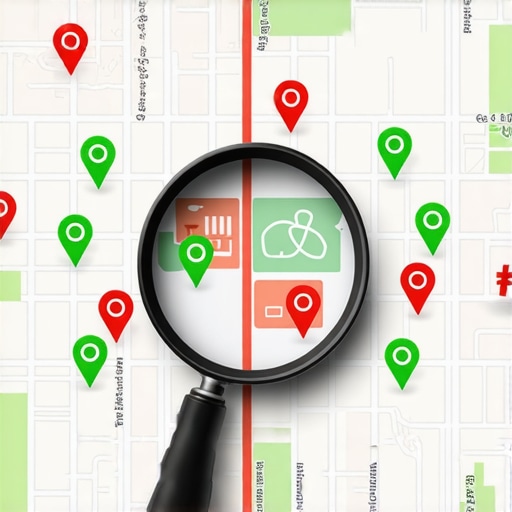 Looking ahead, the game is shifting toward AI and conversational intent. Experts like Joy Hawkins from Sterling Sky have noted how Google’s ‘Vicinity’ update and subsequent tweaks prioritize actual relevance over keyword stuffing. This means your profile needs to be ready for the 3 best ways to optimize your listing for voice search queries. People aren’t just typing ‘Plumber Denver’ as much anymore; they are asking their phone, ‘Who is the best plumber near me that fixes tankless water heaters?’ If you’re managing multiple storefronts, you absolutely need to look into the gmb software that actually moves the needle for multi-location brands to keep your data synchronized. My challenge to you this week is simple: run a grid-tracking report and see where your ‘green zone’ actually ends. You might be surprised at how small your kingdom really is—and how easy it is to expand it once you see the gaps in your your complete maps seo checklist for enhanced visibility.
What the Algorithm Taught Me After 500 Map Audits
Over the years, I’ve realized that the businesses that stay on top aren’t the ones who hacked the system the hardest, but the ones who stayed the most human. Here are the lightbulb moments that changed my approach: First, review velocity is more important than total count. If you get 50 reviews in a week and then zero for a month, Google gets suspicious. Second, your profile is a living document. I’ve seen monitoring map health become the difference between a record-breaking month and a silent phone. Third, the small ‘suggested edits’ from competitors are real, and they are frequent. Finally, stop trying to rank everywhere at once; dominate your block, then your neighborhood, then your city.
The Gear I Use to Keep My Map Pins Green
You don’t need a massive budget, but you do need the right data. I personally rely on Local Falcon for that bird’s-eye view of ranking grids—it’s the only way to see if your reach is actually expanding. For keeping my technical foundation solid, I always double-check for broken local schema that might be confusing search bots. I also recommend keeping a close eye on the Sterling Sky forums; the local SEO world moves fast, and staying updated is why your maps seo checklist needs a frequent review refresh every single quarter. These tools help turn a guessing game into a predictable science.
#IMAGE_PLACE_HOLDER_E#
Take Your Business Back From the Algorithm
At the end of the day, Google wants to provide the best answer to their user’s question. If you provide incredible service and document it through your profile, you are doing 90% of the work. This is the ultimate authority play that allows a small, local shop to outshine a massive corporate chain with ten times the marketing budget. You have the home-field advantage—use it. By following a consistent maps seo checklist and staying active, you aren’t just a dot on a map; you’re a pillar of your community. It’s time to stop being a ghost and start being the first choice for every customer in your zip code.
Have you ever seen your ranking drop suddenly after making what felt like a minor change to your site? Let me know in the comments below, and let’s troubleshoot it together!