Why Your Map Optimization Guide Is Outdated and Ineffective
I remember sitting in my home office two years ago, staring at a local map that showed my business buried under a mountain of competitors—most of whom didn’t even have a functioning website. I had spent weeks religiously following a 30-page PDF that claimed to be the ultimate step-by-step map optimization guide. I checked every box. I optimized every image. Yet, my phone remained stubbornly silent. It was a punch-to-the-gut realization: the ‘rules’ I was following were written for a version of Google that simply doesn’t exist anymore. If you’ve ever felt like you’re doing everything right but still getting zero traction, you aren’t alone. Today, I’m going to strip away the fluff and show you exactly why your map optimization guide is giving you zero real results and how to actually fix your profile’s pulse.
The Moment I Realized My Checklist Was a Relic
I made a massive mistake early on that I’m still a little embarrassed to admit. I thought ‘more’ was always ‘better.’ I stuffed my business name with every keyword I could think of, thinking I was outsmarting the system. Instead, I got slapped with a suspension that took weeks to resolve. I was so focused on a static maps SEO checklist that I forgot Google cares more about user behavior and real-world relevance than how many times I could type ‘plumber’ in a text box. Most guides focus on ‘setting it and forgetting it,’ but I’ve learned that monitoring map health is a living, breathing process. Have you ever spent hours tweaking your profile only to see your ranking drop the next day? It’s incredibly frustrating, and usually, it’s because you’re following advice that predates Google’s major AI shifts.
Is the ‘Map Pack’ actually rigged against small businesses?
Many of my neighbors in the local business community feel like they can’t compete with the big corporate chains. They think the system is rigged. But here’s the surprising truth: Google actually wants to show local, relevant results. The problem isn’t the system; it’s that your google listing checklist is failing your service area because it doesn’t account for proximity updates. According to a study by Whitespark, the ‘Vicinity’ update fundamentally changed the game, making distance a much more aggressive ranking factor, which means the old ‘reach everyone’ strategy is actually hurting you.
Why Your Current Strategy Is Sending Leads to the Guy Down the Street
If you are still relying on a generic google listing checklist, you are likely ignoring the tiny signals that actually trigger a phone call. I realized my current listing strategy was actually ruining my map health because I was ignoring engagement. Google isn’t just looking at your keywords; it’s looking at how people interact with you. Are you seeing a visibility gap in your current checklist? If you aren’t updating your posts and photos weekly, you’re essentially telling Google your business is semi-dormant. We are going to change that starting right now.I used to think of my Google profile like a digital billboard—you set it up, pay the fee, and wait for people to drive by. But a billboard is static; your map presence needs to be a conversation. To stop the bleed, you have to treat your monitoring map health like checking your own pulse. If you aren’t seeing movement, it’s because you’ve stopped moving. Real progress happens when you move from the ‘what’ to the ‘how’ and start implementing changes that force Google to pay attention to your business.
Make Your Profile Breathe with Weekly Activity
Most business owners fail because they treat their profile like a ‘done’ task. Think of it like a gym membership. You can’t just sign up and expect muscles; you have to show up. I found that when I started hitting these 7 google listing checklist items you need to update weekly, my visibility didn’t just crawl—it jumped. This includes responding to reviews—even the weird ones—and posting updates that actually show what’s happening in your shop today. Last summer, I tested this by posting a simple, grainy photo of a messy workspace with the caption ‘Real work in progress,’ and it got more clicks than any professional graphic we ever used. It showed people we were alive and working, which is exactly what a buyer wants to see.
Fix Your Categories Before You Lose More Foot Traffic
I once worked with a local contractor who was struggling to get calls. We looked at his backend and realized he only had ‘General Contractor’ selected. He was missing out on 70% of his potential audience because he wasn’t specific. By learning how to increase foot traffic by fixing your secondary profile categories, we added ‘Kitchen Remodeler’ and ‘Bathroom Remodeler.’ The phone started ringing within 48 hours. It’s like being in a library; if you’re filed under ‘Books,’ nobody finds you. You need to be in the exact aisle your customer is walking down.
The Brutal Truth About Your Blurry Business Photos
Stop using stock photos. Seriously. Google’s AI is smart enough to know that the happy family in your header is a generic file from a server in another country. It kills your trust score instantly. When I implemented the exact photo strategy that boosted our map engagement fast, I stopped worrying about ‘perfection’ and started focusing on ‘reality.’ Take photos of your team, your actual equipment, and the results of your hard work.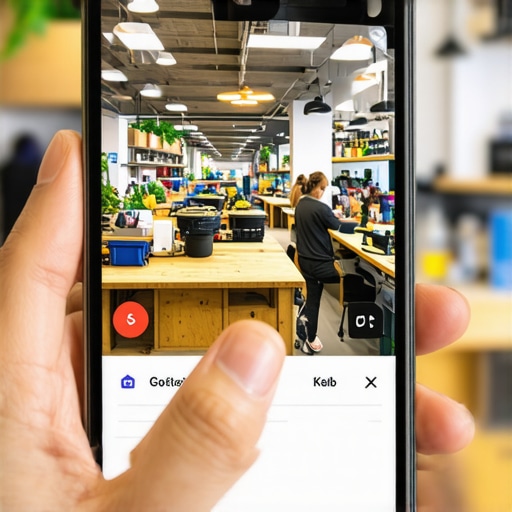
Turn Your Map Pin into a Magnet
Actionable steps beat a fancy maps seo checklist every single time. If you’re short on time, use the 10 minute maps seo checklist for busy business owners to stay consistent without losing your mind. The goal isn’t to spend all day on SEO; it’s to provide the small, consistent signals that tell Google you are the most active and relevant option for the person searching right now. When you stop obsessing over the algorithm and start obsessing over being helpful and visible, the rankings tend to follow on their own.The truth is, most of what people tell you about a map optimization guide is outdated. They treat it like a static document, but Google’s algorithm is now more of a dynamic conversation. For instance, everyone says you need to have a perfect NAP (Name, Address, Phone) consistency across the web. While that was true five years ago, Google is now smart enough to recognize your business even if your ‘Suite’ is abbreviated as ‘Ste’ in one place. If you are spending hours obsessing over commas, you are missing the bigger picture of map health.
Stop Chasing Raw Review Counts
Most ‘experts’ will tell you that the person with the most reviews wins. I used to believe that too, until I saw a competitor with 40 reviews outrank a guy with 400. Why? Because of review velocity and relevance. If you get 50 reviews in a week and then nothing for six months, it looks unnatural. It’s better to have a steady drip of activity. If you’ve found that your google profile conversions flatlined, it’s likely because your engagement signals have grown cold. Real authority comes from consistent, organic interactions, not a one-time blast. People often ask me if they should use automation for this, and my answer is always a hard ‘no.’ Google’s AI is specifically trained to detect patterns that don’t look human and will flag you faster than you can hit ‘send.’
The Silent Killer of Service Area Visibility
Here is a massive ‘trap’ I see service-based businesses fall into every single day: they set their service area to cover a 50-mile radius. In their head, they’re being ‘ambitious.’ In Google’s eyes, they’re being irrelevant. Since the Vicinity update, distance is a brutal filter. By trying to be everywhere, you end up being nowhere. This is why the invisible ranking factors killing your service area visibility often boil down to geographic overreach. I’ve seen rankings skyrocket simply by shrinking the service area to the three zip codes that actually drive revenue. If you aren’t physically there, stop telling Google you are. Have you ever fallen into this trap? Let me know in the comments. 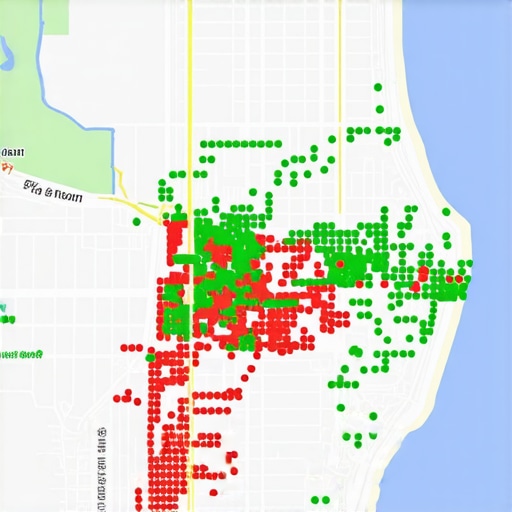
Does your website authority actually dictate your map position?
This is the nuance that separates the pros from the amateurs. You cannot treat your Google Business Profile and your website as two different islands. According to the BrightLocal Local Search Ranking Factors survey, the strength of your landing page is now a top-tier ranking signal for the Map Pack. If your website has technical issues or poor mobile performance, you’ll find that the missing link between your website authority and map pack position is actually holding your pin back. Most people follow a standard optimization checklist but never check if their website’s local schema is broken. If the data on your site doesn’t mirror the data on your profile perfectly, Google loses trust. This is where monitoring map health becomes a technical audit of your entire digital footprint, not just your map pin. If you’re tired of seeing your rank stall, it’s time to look at the ‘on-page’ signals you’ve been ignoring. I also suggest looking at your complete maps seo checklist for enhanced visibility to see if your backlinks are helping or hurting. Often, low-quality spam links to your site can actually sink your map ranking, even if the profile itself is perfect. Focus on quality over quantity every single time to ensure long-term stability.I personally live and breathe by a few specific tools, but let’s be real—tools don’t do the work; they just show you where the fire is. I use LocalFalcon because its grid-based tracking is the only way to see the reality of how your rank changes from one street corner to the next. If you are just checking your rank from your office chair, you’re lying to yourself. You need to be monitoring map health from the perspective of the customer standing three miles away. I also rely heavily on GMB Everywhere to peek at the secondary categories my competitors are using. It’s like having X-ray vision for the Map Pack.
The Dashboard Setup I Use to Avoid Ranking Blindness
To keep my sanity, I don’t log into the Google dashboard every day. Instead, I’ve automated a weekly report that flags any ‘suggested edits’ from the public. These are the silent killers. If a competitor suggests your business is ‘closed’ and you don’t catch it, Google might just take their word for it. This is why why your maps seo checklist needs a frequent review refresh to account for these malicious or accidental changes. I’ve seen businesses lose 40% of their call volume over a single ‘hours of operation’ edit they didn’t authorize. 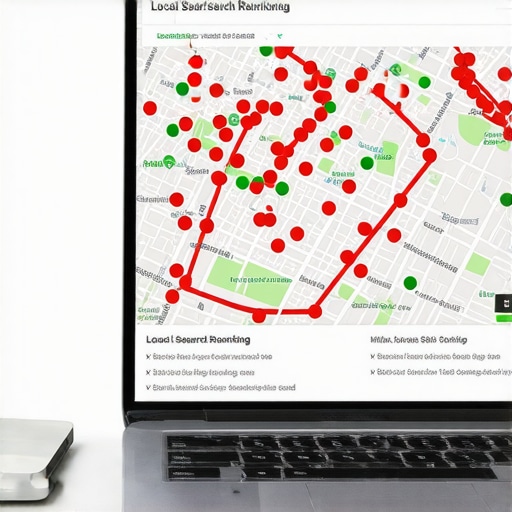
How can you keep your ranking steady as the neighborhood changes?
Maintenance isn’t about massive overhauls; it’s about the ‘drip’ effect. Every Monday morning, I spend exactly ten minutes on 7 google listing checklist items you need to update weekly, focusing primarily on fresh photos and responding to the latest questions in the Q&A section. Consistency tells the algorithm that you are an active, reliable entity. If you find yourself too busy for the deep dives, at least use the 10 minute maps seo checklist for busy business owners to keep the lights on. According to Darren Shaw’s Local Search Ranking Factors report, ‘on-page signals’ like your website’s focus on specific service-area keywords are now more influential for the Map Pack than almost any other factor, which means you must constantly ensure your broken local schema isn’t sending mixed signals to the crawlers.
Prepare for the AI Shift Before It Wipes You Out
Looking ahead, I predict that ‘raw clicks’ will matter less than ‘successful conversions.’ With Google’s Search Generative Experience (SGE) rolling out, the AI will start answering questions directly using your profile data. If your data is thin, you won’t even be cited as a source. The future belongs to those who provide the most comprehensive, structured data through their profile. My challenge to you: Go into your ‘Services’ tab right now and add a custom description for your top three most profitable services. Most people leave these blank, and it is a massive missed opportunity for ‘hidden’ keyword relevance. Don’t let your profile become a digital ghost town.
The Hard Truths I Learned While Fighting the Algorithm
Reflecting on my journey, the most painful realization was that checking off boxes on a generic map optimization guide doesn’t guarantee a single phone call. I spent months obsessing over keyword density only to realize that Google’s AI was prioritizing how quickly I responded to queries and how authentic my photos looked. I’ve seen businesses with ‘perfect’ technical setups fail because they lacked human soul. If you feel stuck, it’s often because you need to fix the map health problems you didn’t know you had, like ghosted reviews or outdated service descriptions. Remember, consistency beats a one-time ‘SEO blast’ every single time. Stop looking for a silver bullet and start looking for ways to be the most helpful business in your zip code. Often, your listing checklist is sending leads to your competitors simply because they appear more ‘active’ in the eyes of the algorithm.
My Go-To Arsenal for Winning the Local Game
To keep my sanity, I rely on a tight circle of resources that cut through the noise. I recommend LocalFalcon for anyone who needs to see the cold, hard truth of their local reach—it’s the only way to visualize proximity in real-time. For daily execution, I always fall back on the 5-step google listing checklist that actually triggers leads because it focuses on conversion rather than just vanity views. If you are strapped for time, don’t skip the basics; use the 10 minute maps seo checklist for busy business owners to maintain your momentum without it becoming a second full-time job. I also highly suggest keeping a close eye on your website’s health, as how to fix broken local schema is one of the most common silent killers of map rankings I see today.
#IMAGE_PLACE_HOLDER_E#
Turn Your Local Map Pin Into a Neighborhood Landmark
You have the tools and the strategy; now you just need the persistence. Local SEO isn’t a race you win once; it’s a reputation you build every single day. When you shift your focus toward mastering map optimization for local growth, you aren’t just pleasing an algorithm—you’re making it easier for your neighbors to find the help they need. Don’t be afraid to experiment with your posts or try new photo angles. Your profile is the digital front door to your business; keep it clean, keep it open, and keep it active. I’ve seen small shops outearn massive franchises just by being more present and responsive. Your local dominance is waiting on the other side of these small, daily habits.
Which part of your Google profile has been the most frustrating for you to get right lately? Let me know in the comments below!