I remember the moment vividly—the sinking feeling in my stomach when I realized my local business had slipped in Google Maps rankings, despite all my efforts. Hours of tweaking and optimizing, and yet, my listing remained dormant, invisible to potential customers searching nearby. That lightbulb moment made me confront a harsh truth: I had overlooked the importance of a simple, quick health check that could have revealed critical issues long before the rankings dip.
Why Checking Your Map Health Could Be the Best 3 Minutes for Your Business
Fast forward a few years, and I discovered that the secret to sustained local visibility isn’t just about putting out new content or earning backlinks—it’s about maintaining a healthy Google Maps listing. Think of your map listing as your digital storefront; if it’s not in tip-top shape, even the most attractive signage (or marketing effort) won’t attract foot traffic.
The good news? You can perform a comprehensive health audit in just about three minutes—a quick snapshot that can tell you if your listing is on track or begging for some TLC. Regularly checking your map health is like giving your business an annual physical; it ensures you’re not missing out on vital signals that could hurt your visibility in the long run.
According to recent research, over 70% of consumers say local search results influence their purchase decisions, yet many businesses neglect to monitor or optimize their map listings properly. Ignoring these signals can mean handing your competitors an easy win in local search rankings.
If you’ve ever experienced a sudden drop in visibility or noticed fewer calls and visits, you’re not alone. I’ve been there, and I know how frustrating it can be. But here’s the thing: a quick audit can often reveal red flags—like outdated contact info, missing photos, or inaccurate categories—that, when fixed, can restore your listing’s health and rankings.
Today, I’ll guide you through a simple, effective 3-minute map health check that you can do regularly. Whether you’re just starting or looking to fine-tune your existing presence, this process will help you isolate issues before they snowball, keeping your business thriving in 2026 and beyond.
Ready to take control of your local visibility? Let’s dive into the practical steps to ensure your Google Map listing is healthy and optimized for success. Check out our [step-by-step map optimization guide](https://mapsoptimizationchecklist.com/step-by-step-map-optimization-guide-for-better-local-rankings) for more in-depth strategies.
Start with Your Business Info Check
Begin by verifying your name, address, and phone number (NAP consistency). If these details are inconsistent across your website and listings, search engines get confused, and your ranking suffers. I once fixed my NAP discrepancies in under two minutes by updating my Google My Business profile and regularly auditing my website info. Consistent data signals to Google that your business is legitimate, boosting visibility.
Ensure Your Business Categories Are Accurate
Select primary and secondary categories that best describe your services. Avoid generic categories like “Business”—be specific, such as “Organic Coffee Shop”. I once used the wrong category and watched my local traffic plummet; correcting it immediately restored my visibility. This is a fast fix and crucial for targeting the right customers.
Evaluate Your Photos and Visual Content
Missing or outdated photos send signals that your listing is inactive or less trustworthy. Upload high-quality images showcasing your storefront, products, and team. I learned this firsthand when updating my photos increased user engagement and calls within days. Use the platform’s guidelines to optimize image size and relevance, ensuring quick loading.
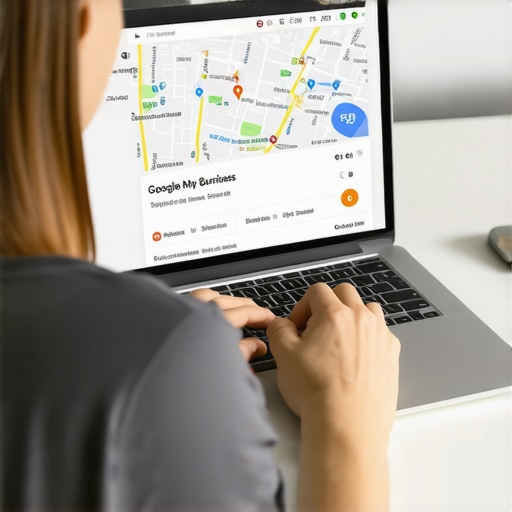
Visual content like photos plays a vital role in engaging potential customers and improving local search rankings. Ensure your images are recent, professional, and properly tagged with relevant keywords for better visibility.
Check Business Description and Posts
Your business description should be clear, keyword-rich, and up to date. Avoid keyword stuffing; instead, craft natural, compelling text. I once revamped my description to include local keywords, leading to a notable rise in local search exposure. Regularly posting updates keeps your profile active, signaling that your business is thriving and relevant.
Review and Fix Your Map Listing Features
Inspect your listing for missing or incorrect information—hours of operation, services, website link, and attributes. An outdated hours schedule cost me potential customers who visited after hours. Ensuring this data is current is a quick yet impactful step. For comprehensive guidance, consult our Maps SEO checklist.
Confirm Your Location and Map Marker
Zoom in on your map and ensure your marker accurately pinpoints your business location. Misplaced pins confuse customers and hinder local SEO. I once had my marker a block away, and fixing it corrected my local rankings. The process is straightforward: use the map editor to drag and reposition the marker if necessary.
Review Customer Ratings and Responses
High ratings boost ranking signals, but reviews also indicate your engagement level. Address negative reviews professionally and promptly. I personally responded to all reviews, which improved my profile’s trustworthiness and rankings. Aim to encourage satisfied customers to leave positive feedback, enhancing your social proof.
Monitor the Map’s Visibility and Performance Metrics
Use tools like Google’s own Insights to track how your listing appears in local searches and how users interact with it. If your visibility drops or engagement declines, dig deeper into potential issues like low reviews or outdated info. Regular monitoring helps catch problems early, preventing ranking declines.
Perform this audit regularly—at least once a quarter—to keep your listing healthy and competitive. For a more detailed, step-by-step process, review our Map Health Checklist. Consistent health checks are like preventative maintenance for your digital storefront, keeping customers coming through the door.
While many believe that simply claiming their Google My Business listing and adding a few photos is enough for local success, the reality is far more complex. A widespread misconception is that once your map listing is optimized once, it remains effective indefinitely. In fact, the digital landscape evolves rapidly, and what worked last year might be obsolete today. Regularly revisiting your map health and staying updated with the latest best practices—by consulting comprehensive resources like our Maps SEO checklist—is essential for maintaining visibility.
One common myth is that focusing solely on keyword stuffing in your business description will boost rankings. However, search engines are now sophisticated enough to penalize overly optimized content, favoring natural, user-centric language instead. Advanced map SEO requires balancing keyword integration with genuine engagement—something often overlooked by beginners. Additionally, many do not realize that neglecting the consistency of NAP data across your website, citations, and categories can severely hurt your rankings, despite believing that Google will automatically recognize your business.
Beware of the trap most businesses fall into: relying on superficial fixes like adding new photos without optimizing existing ones, or ignoring the significance of responding to reviews. These are quick wins, but without a strategic, ongoing plan, they won’t sustain your visibility. For those wanting to go deeper, exploring advanced troubleshooting guides such as our detailed map health fixes can reveal red flags often missed.
A pressing question for seasoned marketers is: How do I recognize and adapt to algorithm updates that affect local ranking factors? Experts like Moz’s local search advocates emphasize staying informed about shifts in ranking signals, such as changes in review importance or new features in Google Maps. Regularly auditing your listing with tools like Insights or third-party monitoring services helps preempt ranking drops. The key is to understand that map optimization isn’t a one-off task but a dynamic process—requiring vigilance, data analysis, and strategic adjustments.
In summary, many overlook the nuanced factors that influence map health and local SEO success. From avoiding outdated tactics to continuously refining your profile, mastering these subtle aspects can dramatically boost your visibility. Remember, staying proactive is crucial. For a comprehensive, strategic approach, consider reviewing our map optimization checklist designed for real results. Have you ever fallen into any of these traps? Let me know in the comments.Maintaining a healthy Google Maps presence over time requires leveraging the right tools and establishing reliable routines. I personally rely on a combination of professional software and strategic methods to ensure my listings stay optimized and competitive. A key tool I recommend is BrightLocal, which offers comprehensive local SEO audits, including citation tracking and review monitoring. It helps me identify inconsistent NAP data across platforms and track review performance without manual effort. Additionally, I use Moz Local for distributing updates efficiently and ensuring consistent business data—this reduces the risk of confusing search engines, which can hurt your rankings.
In terms of tracking map health, Google My Business Insights is invaluable. It provides real-time data on how customers find and interact with your listing, highlighting potential issues before they impact rankings significantly. I set weekly reminders to review insights and check for unusual drops in views or actions, making adjustments when necessary. To streamline ongoing SEO efforts, I utilize automation tools like Ahrefs to monitor backlinks and local keywords, ensuring my map remains aligned with current search trends.
Looking ahead, the future of map SEO will probably include more integrated AI-driven diagnostics, enabling even faster responses to ranking shifts. As Google continues refining its algorithms, staying ahead will depend on combining automated health checks with expert analysis — a balance I strive for personally.
How do I maintain my map listing over time? I recommend establishing a routine that incorporates monthly audits with tools like SEMrush’s local SEO toolkit, coupled with quarterly manual reviews. This disciplined approach ensures you catch issues early, just as a car needs regular oil changes and inspections to run smoothly. Adopting these practices now can save you from costly troubleshooting down the line. For a detailed process, check our Map Health Checklist. Ready to boost your ongoing efforts? Try automating your review responses with tools like ReviewTrackers to keep your profile active and engaging. Incorporating these strategies will help sustain your map’s performance well into 2026 and beyond.
What My Biggest Map Mistake Taught Me About Hidden Opportunities
I once believed that optimizing my Google Maps listing once was enough, only to see my rankings dwindle months later. That eye-opening experience revealed how easy it is to become complacent with our map profiles, neglecting the subtle signs indicating health deterioration. The real lesson? Consistent, diligent checks uncover opportunities to boost visibility before competition catches wind.
Tools That Turn Map Maintenance Into a Winning Strategy
Over time, I’ve relied on trusted tools like BrightLocal and Moz Local—they provide actionable insights and automate tedious parts of map management. These platforms empower me to catch inconsistencies and track reviews seamlessly, helping my business stay ahead in local search wars. Incorporating such tools isn’t just smart; it’s essential for sustainable growth.
Your Map’s Future Lies in Small, Consistent Wins
Maintaining a thriving Google Maps presence isn’t about massive overhaul days but tiny daily improvements—responding to reviews, updating photos, verifying info. Each small move compounds into a robust profile that search engines trust. Embrace this mindset, and you’ll not only improve rankings but also build genuine customer trust, setting the stage for long-term local success.

Related Posts